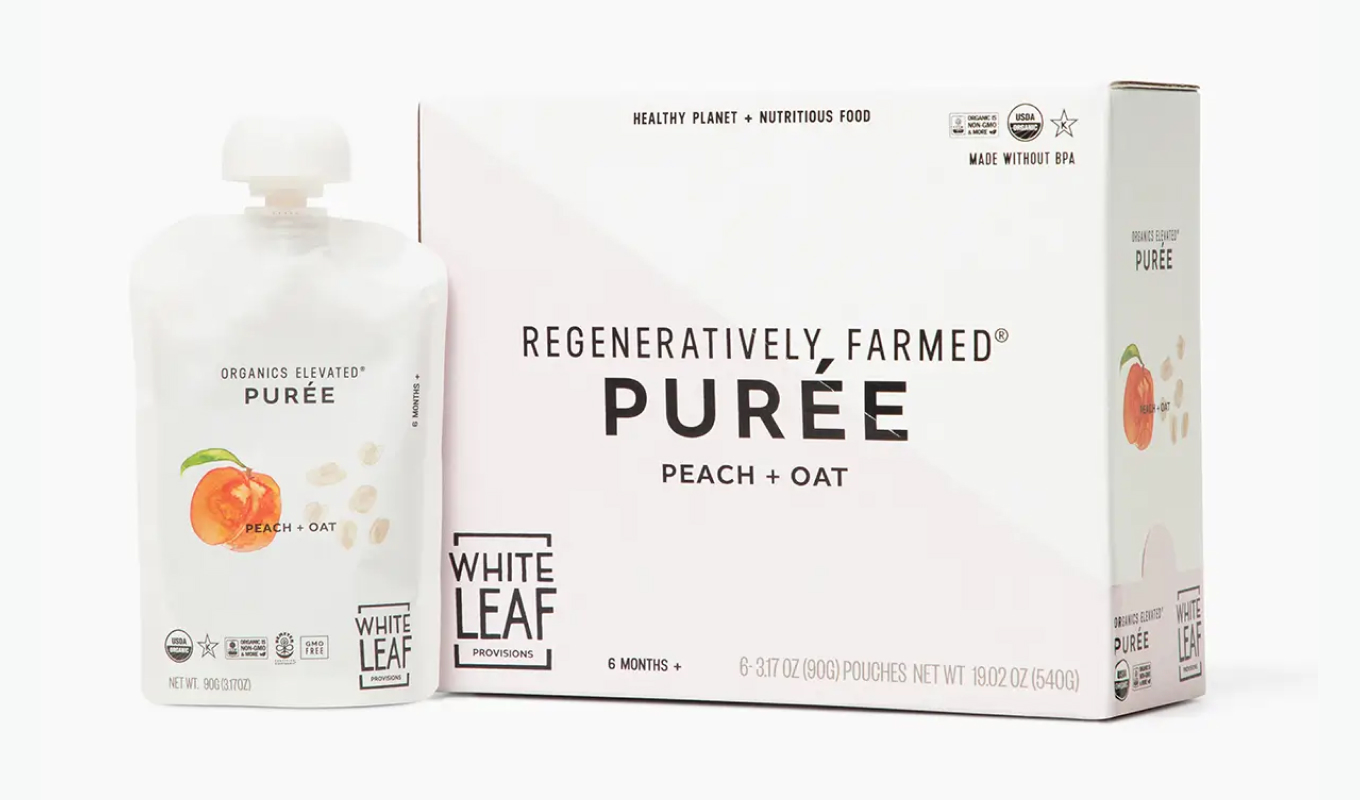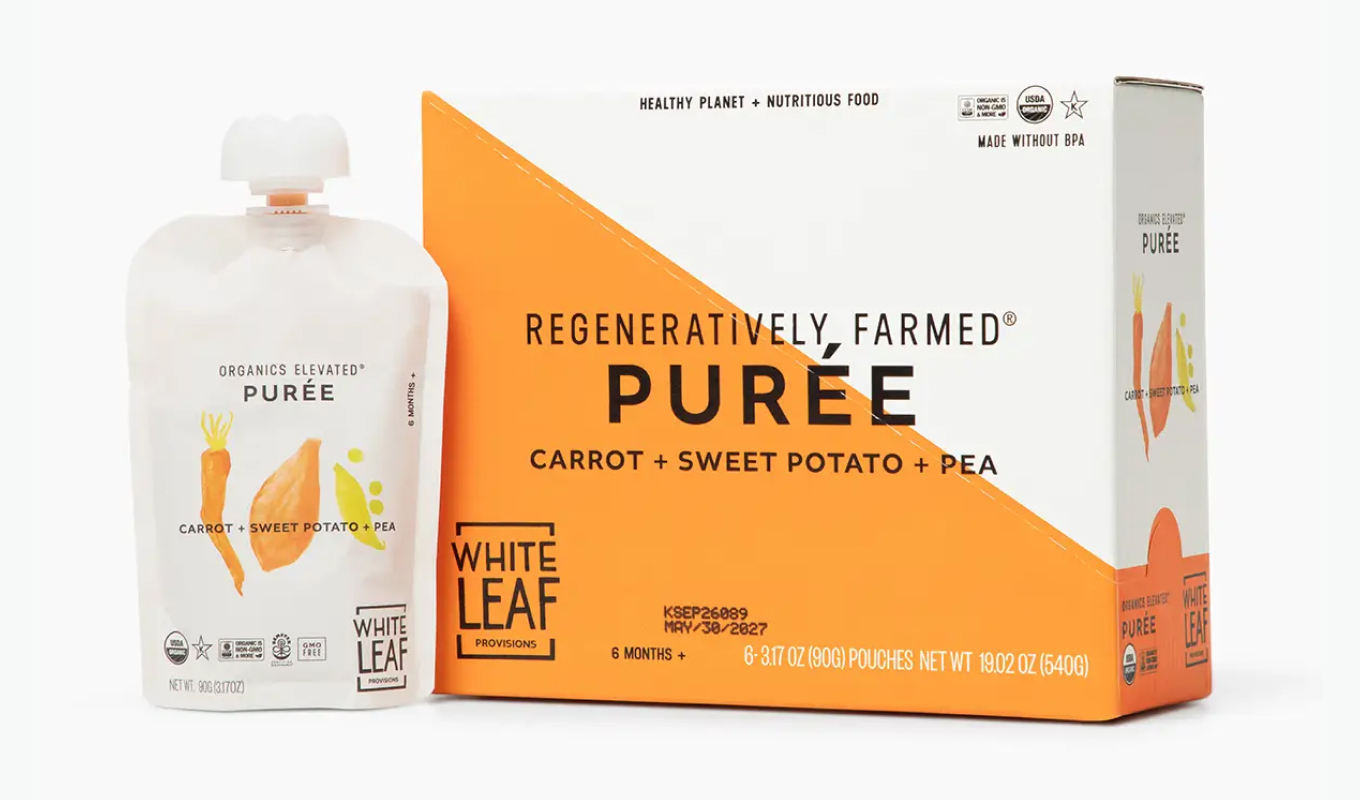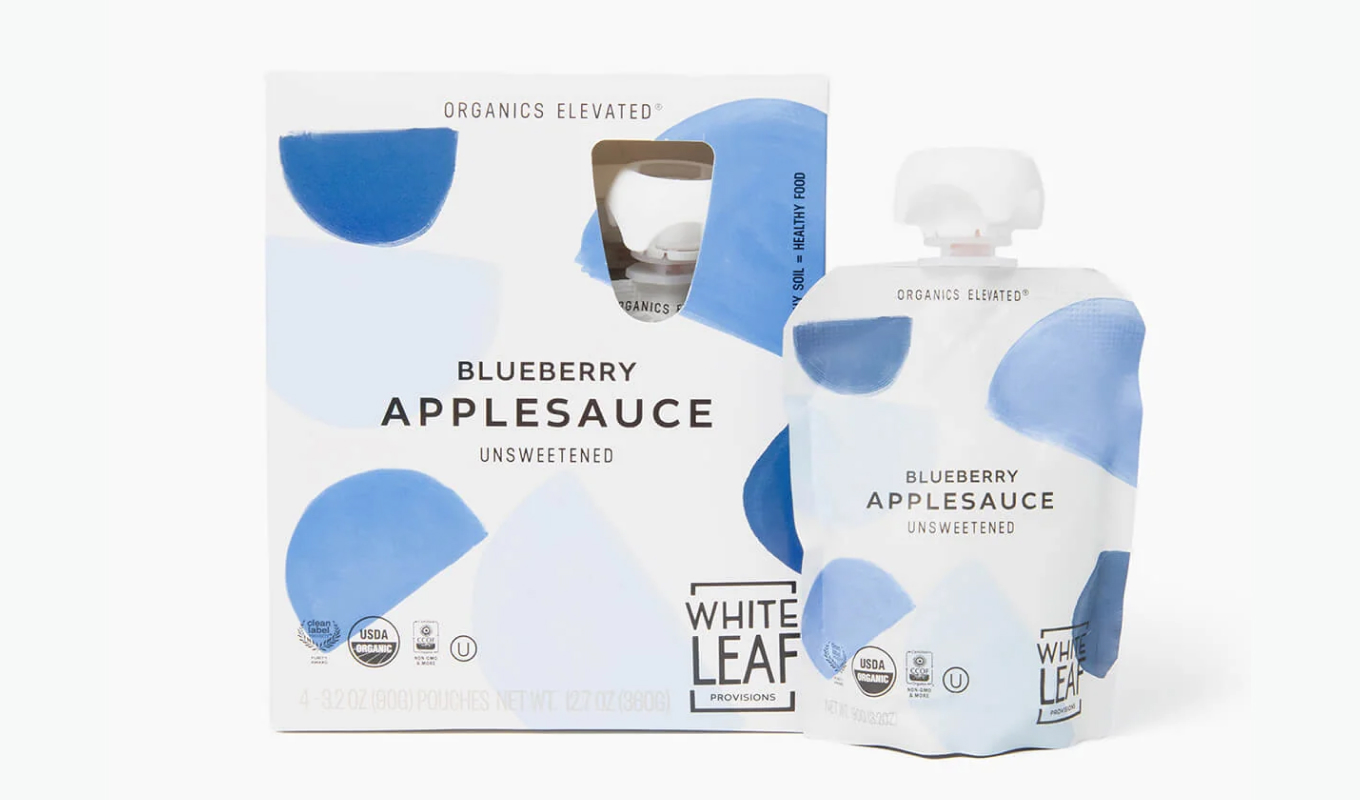
This flavorful, well-rounded regeneratively farmed blueberry applesauce blends the natural sweetness of apples with the rich flavor of blueberries.
Benefits
Benefits data is not yet available for this product.
Visualized
A different way of looking at a serving of this foodWhat was analyzed?
This breakdown shows how the tested lab results would make up a single serving. When the tested percentage is near 100%, you can be confident that the analysis reflects a typical serving of this food.
Lab Analysis
A base level of transparency: analysis direct from independent, certified labsCertified Lab Analysis
Analyzed from 7 samples
Nutrients
Protein fulfills many roles in the body by supporting growth, maintenance and repair of cells and producing enzymes and hormones.
We do not have a default PDCAAS-adjusted value for this food type, so we cannot show %DV for Protein.
The fat-to-protein ratio tells you how much fat there is compared to protein in a food. It’s calculated by dividing the grams of fat by the grams of protein, to show balance between the two nutrients. A low number suggests a lean profile: more protein and less fat. Conversely, a high number indicates the food is more "fatty," meaning it has more fat and less protein.
Fat provides energy and contributes to cell building. Fat is made up of fatty acids that can be grouped into saturated fatty acids (SFA), trans fatty acids (TFA), polyunsaturated fatty acids (PUFA) & monounsaturated fatty acids (MUFA).
Carbohydrates are an important source of energy for the body to fuel cellular processes.
Dietary fiber is a type of carbohydrate that is not broken down by the body. It aids in healthy digestion, reduces harmful cholesterol levels in the blood, and is critical in influencing the diversity and composition of the gut microbiome.
Soluble dietary fiber is one of two main forms of dietary fiber. It dissolves in water to form a gel-like substance, which helps slow digestion and supports healthy blood sugar and cholesterol levels.
Insoluble dietary fiber is one of two main forms of dietary fiber. It aids in healthy digestion by promoting regularity and adding bulk to stool.
Limit of Quantification (LOQ) is the lowest level that can be reliably measured by a lab. The true value could be anywhere between zero and LOQ.
Limit of Quantification (LOQ) is the lowest level that can be reliably measured by a lab. The true value could be anywhere between zero and LOQ.
Lactose is a type of sugar in milk that can be broken down for energy.
Limit of Quantification (LOQ) is the lowest level that can be reliably measured by a lab. The true value could be anywhere between zero and LOQ.
Riboflavin is a B vitamin that assists in converting food into energy and protects cells from damage due to oxidative stress.
Limit of Quantification (LOQ) is the lowest level that can be reliably measured by a lab. The true value could be anywhere between zero and LOQ.
Limit of Quantification (LOQ) is the lowest level that can be reliably measured by a lab. The true value could be anywhere between zero and LOQ.
Limit of Quantification (LOQ) is the lowest level that can be reliably measured by a lab. The true value could be anywhere between zero and LOQ.
Limit of Quantification (LOQ) is the lowest level that can be reliably measured by a lab. The true value could be anywhere between zero and LOQ.
Sodium is required to regulate proper fluid balance by transporting compounds into and out of cells and supporting neuronal signaling.
Limit of Quantification (LOQ) is the lowest level that can be reliably measured by a lab. The true value could be anywhere between zero and LOQ.
Calcium is required for the formation of strong bones and supports neuronal signaling and muscular contraction.
Potassium is required to regulate proper fluid balance and support neuronal signaling.
Phosphorus is required for DNA synthesis, cell metabolism, and in supporting strong bone formation.
Zinc assists proteins in crucial roles such as wound healing, immune function, and DNA synthesis.
Limit of Quantification (LOQ) is the lowest level that can be reliably measured by a lab. The true value could be anywhere between zero and LOQ.
Selenium assists proteins in crucial roles such as protecting cells from damage due to oxidative stress, DNA synthesis and supporting thyroid function.
Limit of Quantification (LOQ) is the lowest level that can be reliably measured by a lab. The true value could be anywhere between zero and LOQ.
Magnesium assists enzymes in crucial roles such as protein synthesis, muscular and neuronal function, and regulating blood sugar and blood pressure.
Manganese assists proteins in crucial roles such as protecting cells from damage due to oxidative stress, assists in converting food into energy, and allowing blood to clot.
Iron is crucial for carrying oxygen in red blood cells around the body and assists in converting food into energy.
Copper assists in converting food into energy, managing iron levels in the body, and protecting cells from damage due to oxidative stress.
Cobalt is an essential element required for vitamin B12 function. There are trace levels of cobalt in many foods, however cobalt needs are primarily met through consuming vitamin B12-containing foods.
Limit of Quantification (LOQ) is the lowest level that can be reliably measured by a lab. The true value could be anywhere between zero and LOQ.
There is no established function of nickel in humans and no evidence of toxicity from dietary nickel.
Limit of Quantification (LOQ) is the lowest level that can be reliably measured by a lab. The true value could be anywhere between zero and LOQ.
Contaminants
Arsenic is a naturally-occurring element that can be found in the air, water, and soil. High or long-term exposure to Inorganic Arsenic is toxic and linked to skin disorders, diabetes, and cancers; while exposure to Organic Arsenic is generally not a concern in the amount consumed. Notably, the Arsenic in fin fish is generally the harmless organic form, though we recommend further testing of the specific forms to be sure.
Limit of Quantification (LOQ) is the lowest level that can be reliably measured by a lab. The true value could be anywhere between zero and LOQ.
Cadmium naturally occurs in rocks and soil, and many foods contain a low level. High cadmium exposure can damage the kidneys, lungs, and bones.
Limit of Quantification (LOQ) is the lowest level that can be reliably measured by a lab. The true value could be anywhere between zero and LOQ.
Mercury is a naturally-occurring element that can contaminate the environment due to industrial pollution. High exposure to mercury can lead to neurological and kidney problems.
Limit of Quantification (LOQ) is the lowest level that can be reliably measured by a lab. The true value could be anywhere between zero and LOQ.
Lead is a harmful heavy metal that damages many organs including the brain, kidneys, and reproductive system. Foods can accumulate lead from the environment.
Limit of Quantification (LOQ) is the lowest level that can be reliably measured by a lab. The true value could be anywhere between zero and LOQ.
Other
Limit of Quantification (LOQ) is the lowest level that can be reliably measured by a lab. The true value could be anywhere between zero and LOQ.
Limit of Quantification (LOQ) is the lowest level that can be reliably measured by a lab. The true value could be anywhere between zero and LOQ.
Nutrients
Contaminants
Other
ISO 17025
All data included in this summation derives from a Certificate of Analysis from an ISO 17025 accredited lab, including Edacious Food Lab. ISO 17025 is the industry standard trusted by the FDA and USDA for trusted results.
This analysis has been
checked by Edacious.
Brand