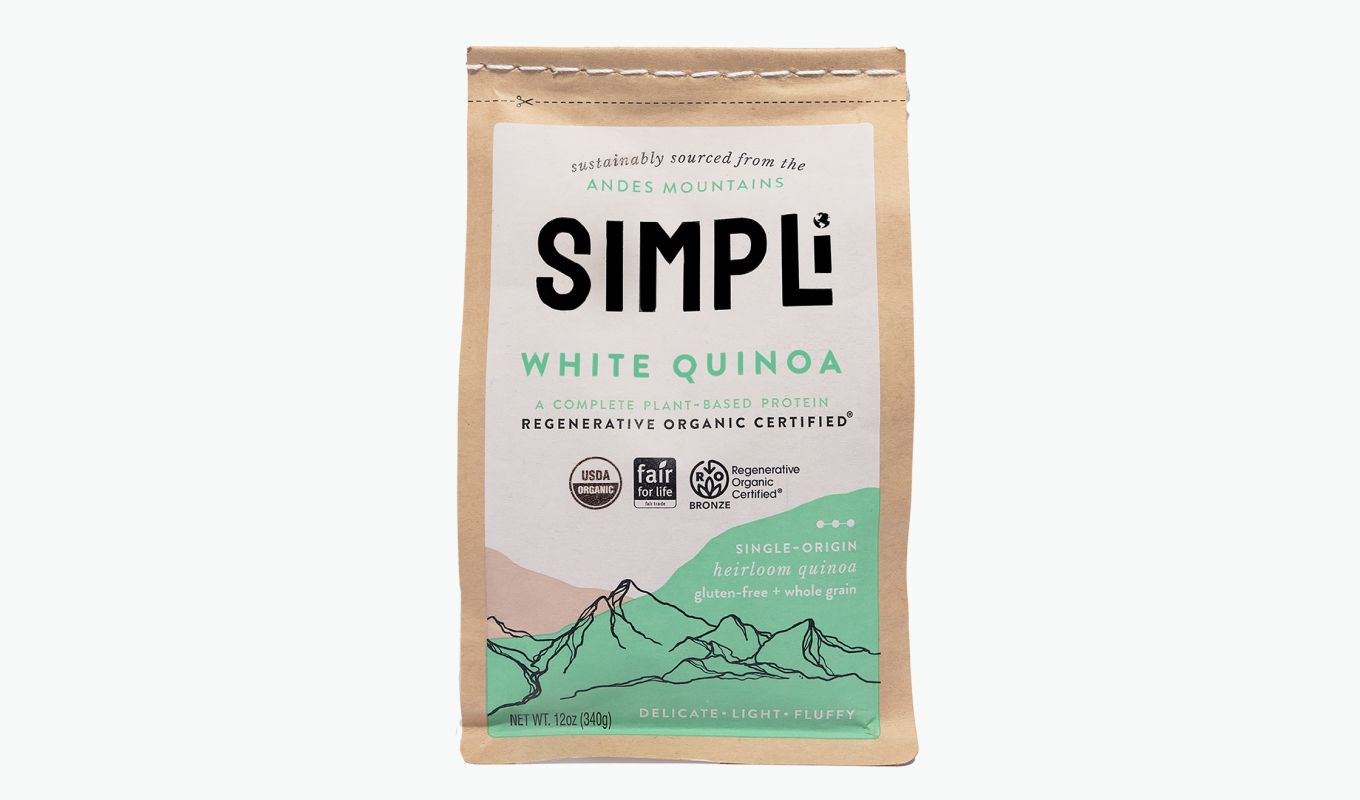
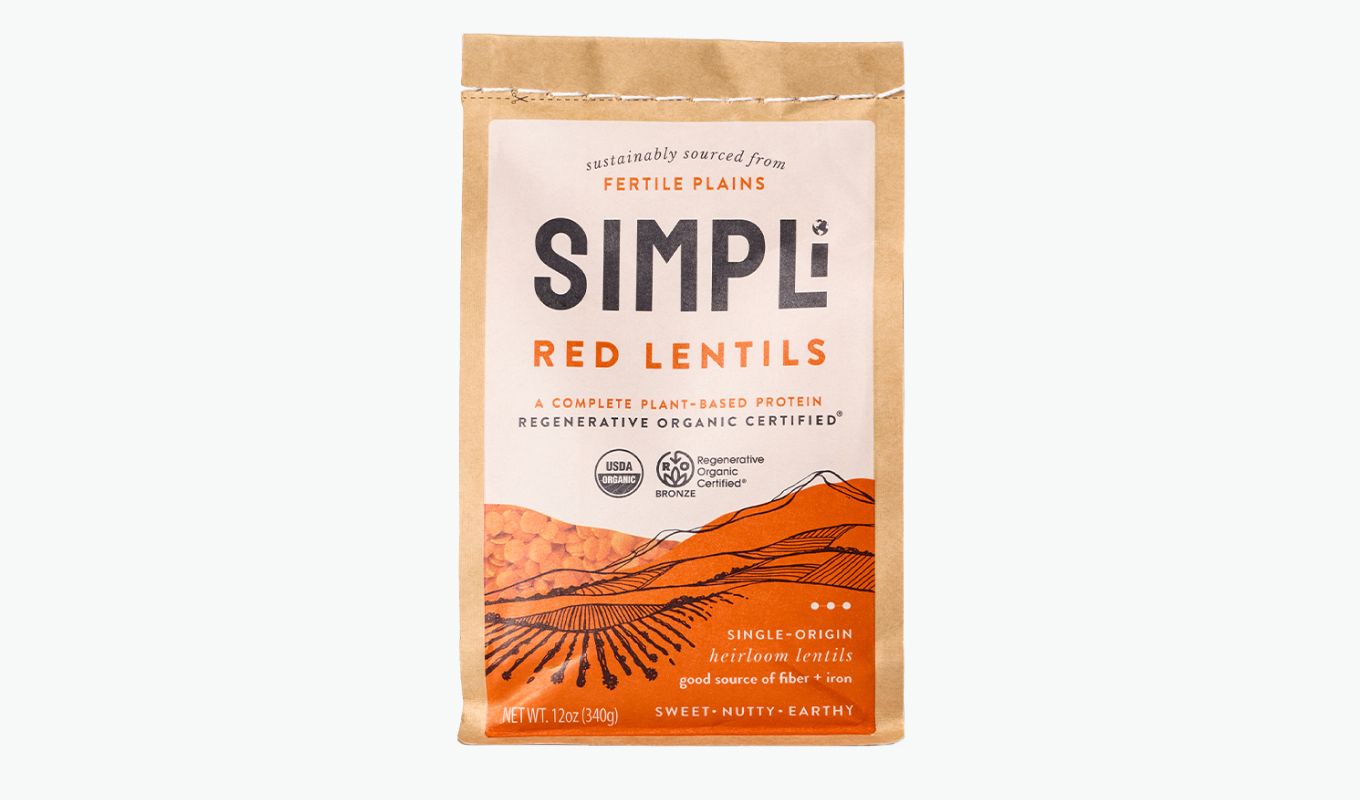
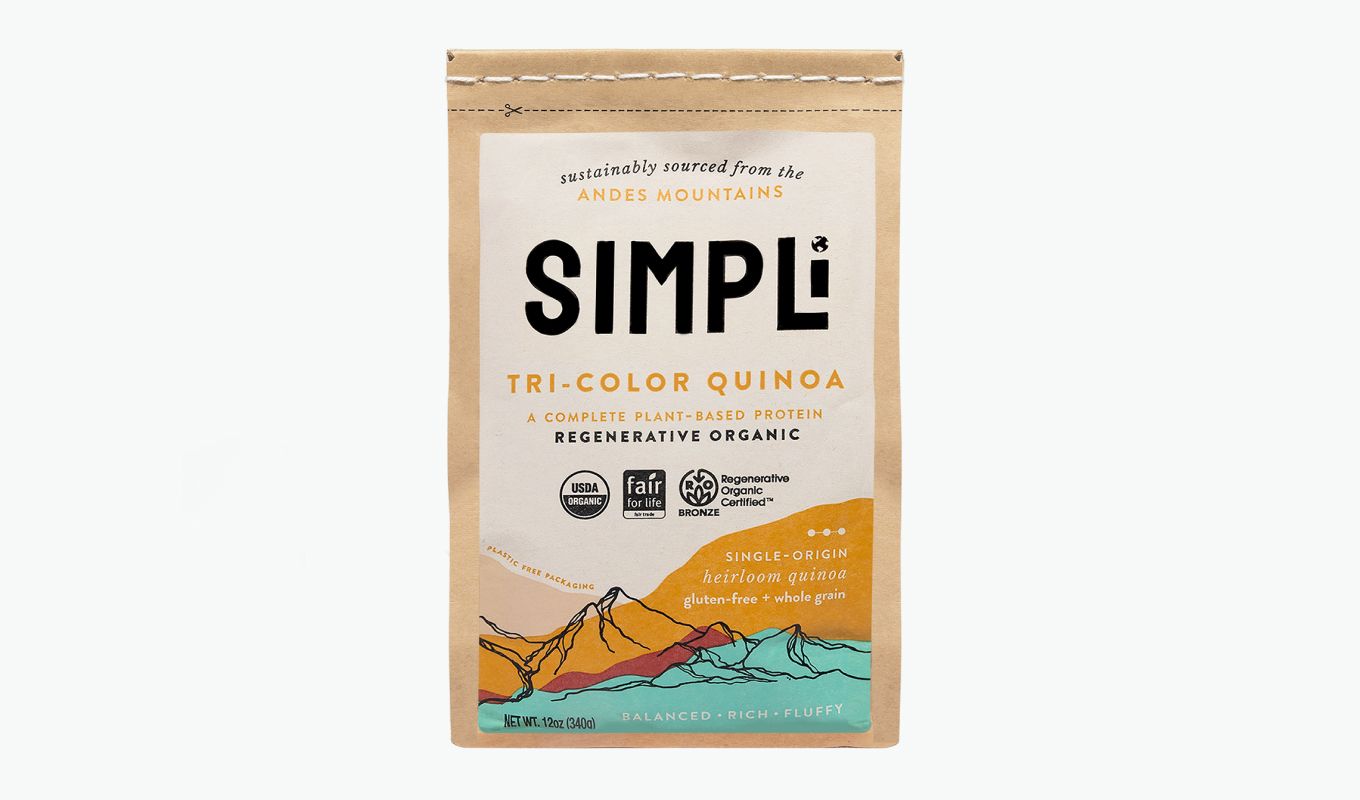
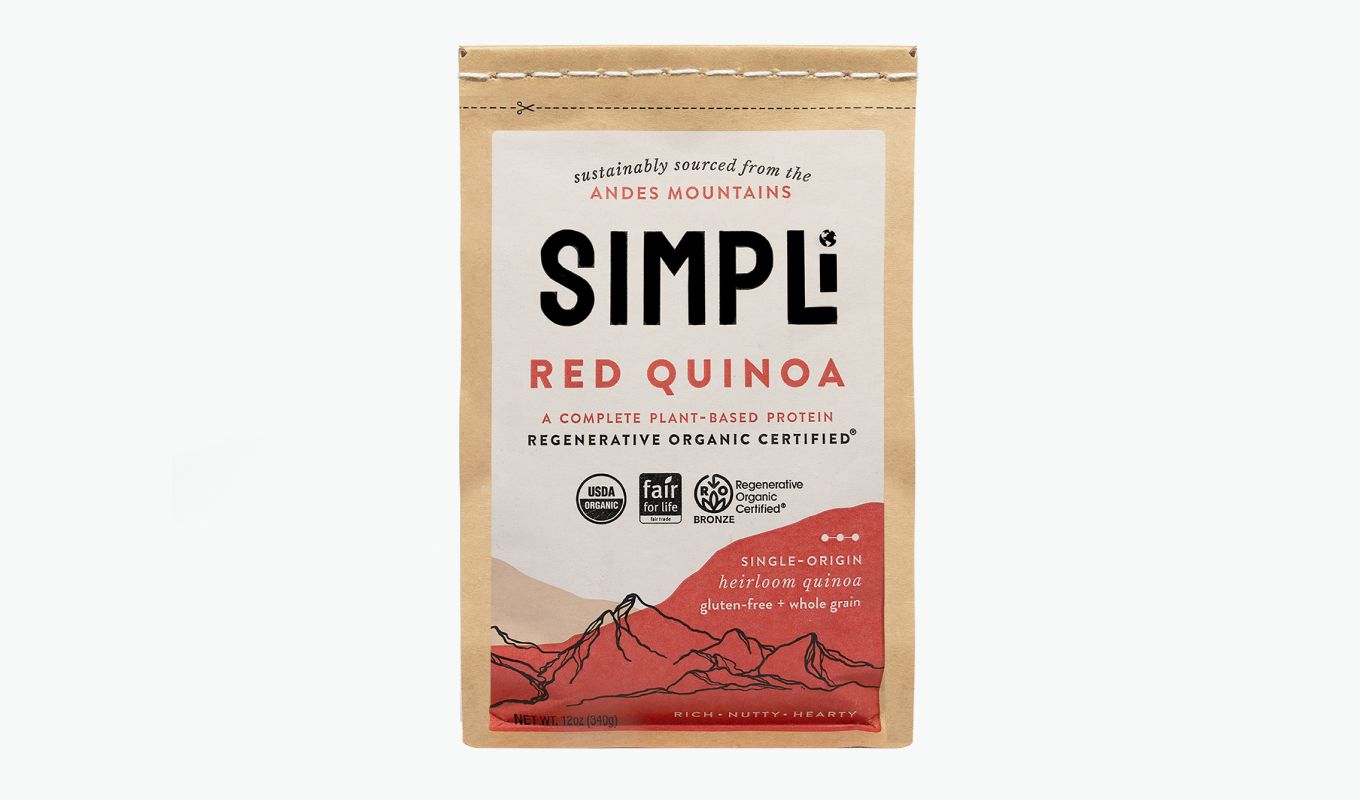
Benefits
Verified by testing, based on the average amount in 1 serving (1g)Nutrient Content Claims
The FDA standard for what producers can say about what’s in food. 10% of the daily value (DV) is considered the minimum “significant amount” of a nutrient.
"Good" and "Rich" claims are calculated per RACC (1.4g), the FDA's regulatory reference amount, not per the labeled serving size (1g).
Contains at least 20% of the daily value of these nutrients.
Visualized
A different way of looking at a serving of this foodWhat was analyzed?
This breakdown shows how the tested lab results would make up a single serving. When the tested percentage is near 100%, you can be confident that the analysis reflects a typical serving of this food.
Lab Analysis
A base level of transparency: analysis direct from independent, accredited labsCertified Lab Analysis
Analyzed from 1 sample
Nutrients
Sodium is required to regulate proper fluid balance by transporting compounds into and out of cells and supporting neuronal signaling.
- Derivation:
- AnalyticalDirectly measured by a lab
- Lab:
- Midwest Laboratories
- Method:
- Midwest Elements
Calcium is required for the formation of strong bones and supports neuronal signaling and muscular contraction.
- Derivation:
- AnalyticalDirectly measured by a lab
- Lab:
- Midwest Laboratories
- Method:
- Midwest Elements
Potassium is required to regulate proper fluid balance and support neuronal signaling.
- Derivation:
- AnalyticalDirectly measured by a lab
- Lab:
- Midwest Laboratories
- Method:
- Midwest Elements
Phosphorus is required for DNA synthesis, cell metabolism, and in supporting strong bone formation.
Limit of Quantification (LOQ) is the lowest level that can be reliably measured by a lab. The true value could be anywhere between zero and LOQ.
Zinc assists proteins in crucial roles such as wound healing, immune function, and DNA synthesis.
- Derivation:
- AnalyticalDirectly measured by a lab
- Lab:
- Midwest Laboratories
- Method:
- Midwest Elements
Selenium assists proteins in crucial roles such as protecting cells from damage due to oxidative stress, DNA synthesis and supporting thyroid function.
Limit of Quantification (LOQ) is the lowest level that can be reliably measured by a lab. The true value could be anywhere between zero and LOQ.
Magnesium assists enzymes in crucial roles such as protein synthesis, muscular and neuronal function, and regulating blood sugar and blood pressure.
- Derivation:
- AnalyticalDirectly measured by a lab
- Lab:
- Midwest Laboratories
- Method:
- Midwest Elements
Manganese assists proteins in crucial roles such as protecting cells from damage due to oxidative stress, assists in converting food into energy, and allowing blood to clot.
- Derivation:
- AnalyticalDirectly measured by a lab
- Lab:
- Midwest Laboratories
- Method:
- Midwest Elements
Iron is crucial for carrying oxygen in red blood cells around the body and assists in converting food into energy.
- Derivation:
- AnalyticalDirectly measured by a lab
- Lab:
- Midwest Laboratories
- Method:
- Midwest Elements
Copper assists in converting food into energy, managing iron levels in the body, and protecting cells from damage due to oxidative stress.
- Derivation:
- AnalyticalDirectly measured by a lab
- Lab:
- Midwest Laboratories
- Method:
- Midwest Elements
- Derivation:
- AnalyticalDirectly measured by a lab
- Lab:
- Midwest Laboratories
- Method:
- Midwest Elements
Cobalt is an essential element required for vitamin B12 function. There are trace levels of cobalt in many foods, however cobalt needs are primarily met through consuming vitamin B12-containing foods.
Limit of Quantification (LOQ) is the lowest level that can be reliably measured by a lab. The true value could be anywhere between zero and LOQ.
There is no established function of nickel in humans and no evidence of toxicity from dietary nickel.
Limit of Quantification (LOQ) is the lowest level that can be reliably measured by a lab. The true value could be anywhere between zero and LOQ.
- Derivation:
- AnalyticalDirectly measured by a lab
- Lab:
- Midwest Laboratories
- Method:
- Midwest Elements
The Sodium-to-Potassium ratio compares the amounts of these two essential minerals. It’s calculated by dividing the grams of sodium by potassium, to show how the two minerals are balanced. Both sodium and potassium must be regulated at specific levels inside and outside the cell to control fluid balance, facilitate nerve impulses, and manage blood pressure. A high ratio of too much sodium and too little potassium is linked to increased blood pressure and a higher risk of heart disease and stroke.
- Derivation:
- CalculatedUses an equation of other analytes to arrive at this value
ISO 17025
All data included in this summation derives from a Certificate of Analysis from an ISO 17025-accredited lab, including Edacious Food Lab. ISO 17025 is the industry standard the FDA and USDA rely on for trusted results.
This analysis has been
checked by Edacious.
Brand